What to see in Bukhara, the medieval city of Uzbekistan?
Situated on the famous Silk Road, Bukhara is one of the oldest cities in Central Asia. Immerse yourself in the authentic atmosphere of this holy city
Situated on the famous Silk Road, Bukhara is one of the oldest cities in Central Asia. Immerse yourself in the authentic atmosphere of this holy city, considered a true jewel of Islam through its many sites and historical remains. Discover the must-see sites to visit in Bukhara during a trip to Uzbekistan.
The Poi Kalon Complex
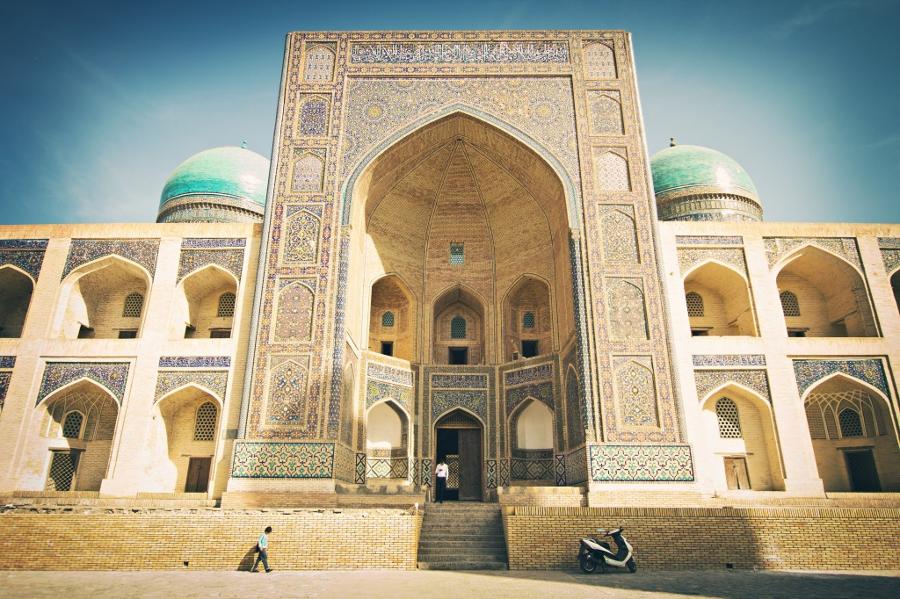
Literally translated as "pedestal of the Most High," the Po-i-Kalon complex is a religious ensemble dating from the 12th century composed of the Kalan Mosque, the Kalan Minaret (symbol of Bukhara) and the Mir-i Arab Madrasah. Located on the main Registan Square, this architectural ensemble is considered one of the finest examples of Islamic architecture in the world. It is therefore an essential stop during a stay in Bukhara. Being the highest point of old Bukhara, you can also enjoy a superb view after climbing the 105 steps that lead to the observatory.
The Sitorai Mohi-Khossa Palace
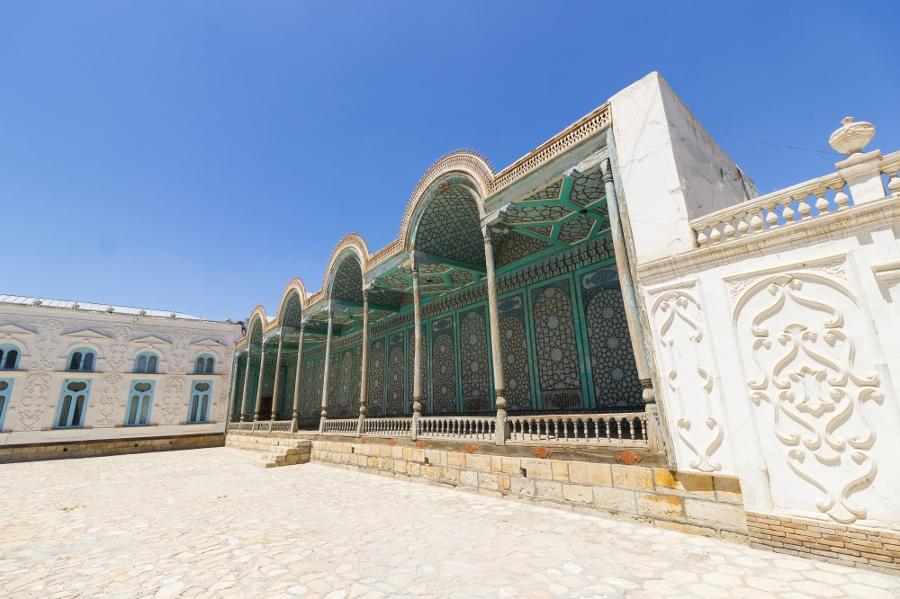
Called the "palace of the moon and stars," the Sitorai Mohi-Khossa Palace was the summer residence of the last Emirs of Bukhara. Built during the reign of the last emir Al-Bukhari in the early 20th century, the main structures of the secondary residence of the Emirs of Bukhara have since been transformed into museums. The apartments and reception halls house the Museum of Applied Arts. The octagonal palace for guests hosts the Museum of Costumes, and as for the harem, it now houses the Museum of Ethnography and Embroidery where you can admire one of the finest collections of Uzbek suzani.
The Samanids Mausoleum
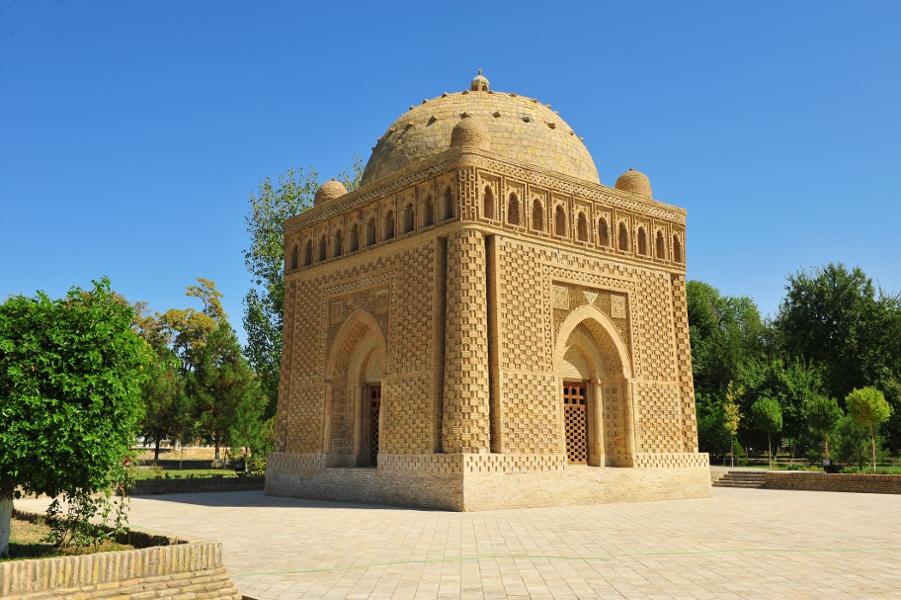
Discover the history of one of the most powerful dynasties of Central Asia by visiting the Samanids Mausoleum. Also known as the tomb of Ismail Samani, this funerary monument built at the end of the 9th century is one of the oldest buildings in the city and one of the finest remains of Uzbekistan. Nicknamed "the pearl of the Orient," it is also known for its unusual architecture. Indeed, it is the first known example of a mausoleum-kubba, which would later inspire Persian and Islamic architecture.
The Ark Fortress
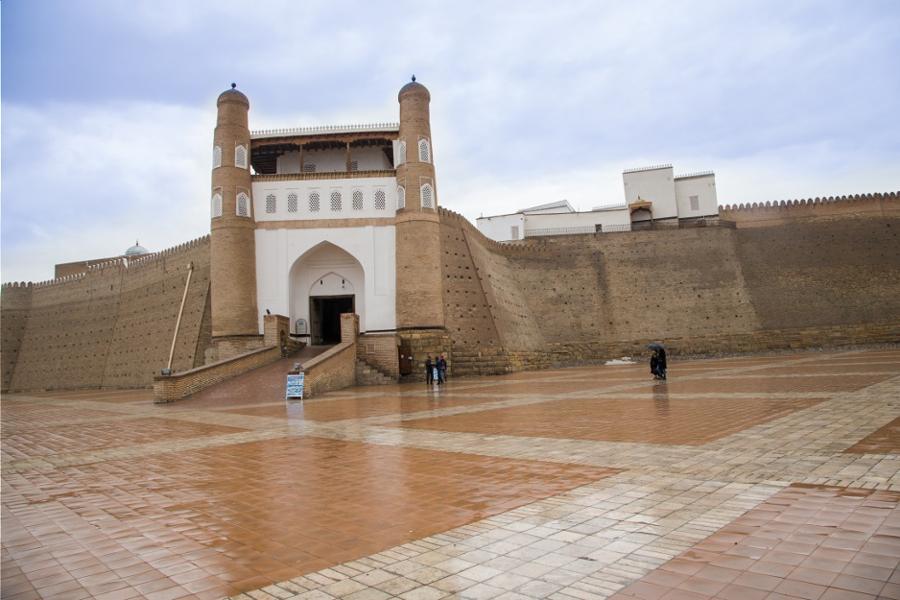
Essential monument of Bukhara, the Ark Citadel was the home of lords for over a millennium. Built in the 5th century BC, the fortress is the oldest building in the city. Destroyed and rebuilt several times, the citadel today houses the throne room, the open-air reception hall, mosques such as Childoukhtaron, Bolo Khaouz, and Djuoma, as well as a museum where you can find a collection of manuscripts and documents dating from the 19th and 20th centuries. A chance to learn more about this historic citadel...
The Liab i Khaouz Complex
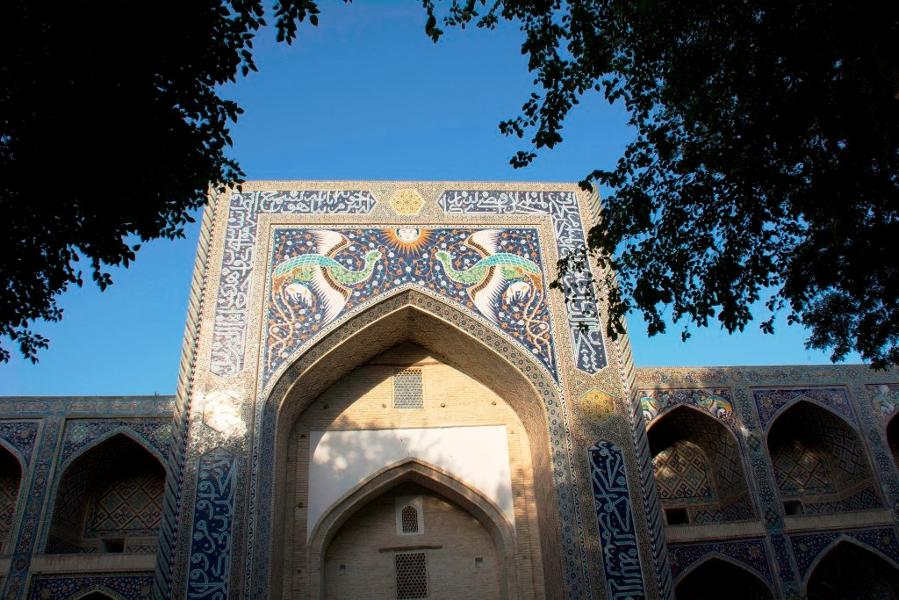
If you wish to share a privileged and convivial moment with the locals, head to the Liab i Khaouz complex. Literally translated as "by the basin," there is a large pool 45 m long and 36 m wide. It is above all a gathering place and convivial spot where Uzbeks like to meet to enjoy a moment of relaxation over tea and a game of cards. The perfect opportunity to discover local life and exchange with the inhabitants in all simplicity. On site, you can also discover the Khanqah Nadir Divan-Beghi (where an art gallery has been established), the Nadir Divan-Beghi Madrasah (where performances are offered to tourists) and the Koukeldach Madrasah (now transformed into a museum dedicated to writer Sadriddin Aini).
The Sacred Site of Bakhaouddin Nakshbandi
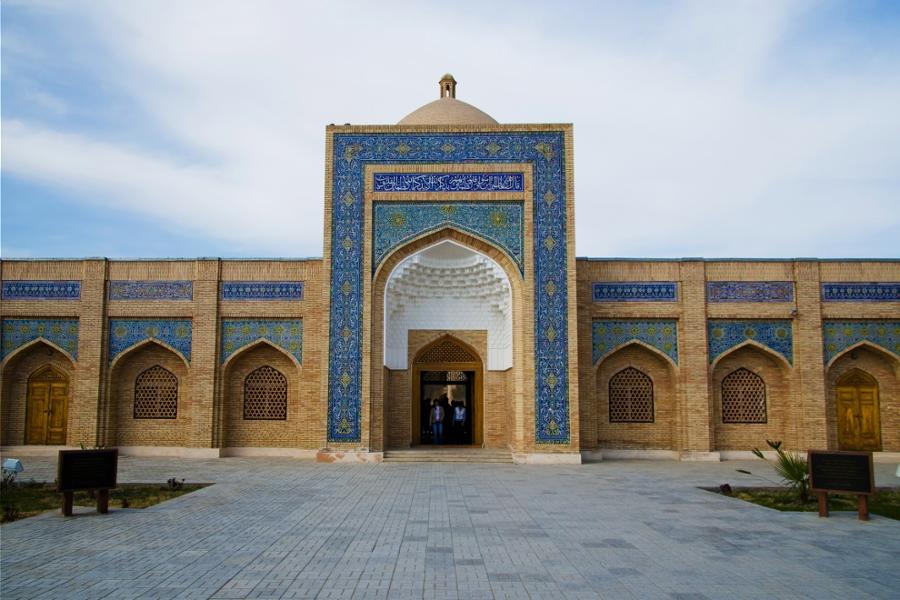
The sacred site of Bakhaouddin Nakshbandi is among the most sacred places in Central Asia. And for good reason, it contains the tomb of one of the most venerated founders of Sufi Islam in the world: Mohamed Bahaouddin Naqsbandi. Located 12 km from Bukhara, the Bahaouddin Naqshbandi memorial complex is thus a major pilgrimage destination, even nicknamed "the Mecca of Central Asia." On site, in addition to the tomb, you can discover the Saho-khona pavilion, two mosques (Khakim Kushbegi and Muzaffar Khan), a madrasah as well as Khanqah Abdul-Aziz Khan. One thing is certain, it is a site not to be missed during a stay in Bukhara.
Frequently asked questions
Yes, the historic center of Bukhara has been inscribed on the UNESCO World Heritage list since 1993. The city is recognized for its exceptional testimony to medieval Islamic architecture and urban planning of the Silk Road.
Plan at least 2 to 3 days to visit the main sites of Bukhara at a leisurely pace. This timeframe allows you to explore the Poi Kalon complex, the Ark Fortress, the Samanids Mausoleum, the Liab i Khaouz complex and the Emirs' palaces without rushing.
The best time to visit Bukhara is spring (April-May) or autumn (September-October), when temperatures are mild and pleasant. Summers can be very hot (exceeding 40°C) and winters cold, making these intermediate seasons ideal for exploring the city.
From Samarkand, Bukhara is accessible by rapid train (Afrosiyob) in approximately 1.5 hours, or by shared taxi. From Tashkent, the train journey takes about 4 hours. Domestic flights are also available from Tashkent for those who wish to save time.
Yes, the Bahaouddin Naqshbandi memorial complex, located 12 km from Bukhara, is open to tourists as well as pilgrims. It is advisable to dress modestly (shoulders and knees covered) as a sign of respect for this venerated place of worship, nicknamed 'the Mecca of Central Asia'.
Yes, visiting the Ark Citadel is paid. Rates may vary depending on the visitor's nationality and time of year. It is recommended to inquire about current rates at the local tourism office or through your travel agency before your visit.