Myths and Legends of Uzbekistan
Like many Central Asian countries, Uzbekistan is home to numerous legends about its territory, its people and its traditions.
Like many Central Asian countries, Uzbekistan is home to numerous legends about its territory, its people and its traditions. There is even one that celebrates the beauty and location of the country itself. These legends offer deep insight into Uzbek culture and add enchantment to every place they describe. Here are some essential ones to read before your journey through Uzbekistan.
Uzbekistan, a "Paradise on Earth"
According to legend, the Lord, at the beginning of the earth, distributed lands to each people. Representatives of every nation would then present themselves before him, forming a long queue awaiting their turn. The Uzbek, generous, humble and merciful, allowed all the others to pass before him. When it came his turn, the last to approach the Lord, there were no more lands to distribute. But moved by the Uzbek's kindness, the Lord decided to grant his people a territory he had reserved for himself—a "paradise on earth" situated between two rivers at the heart of the world. And so it came to be: Uzbekistan!
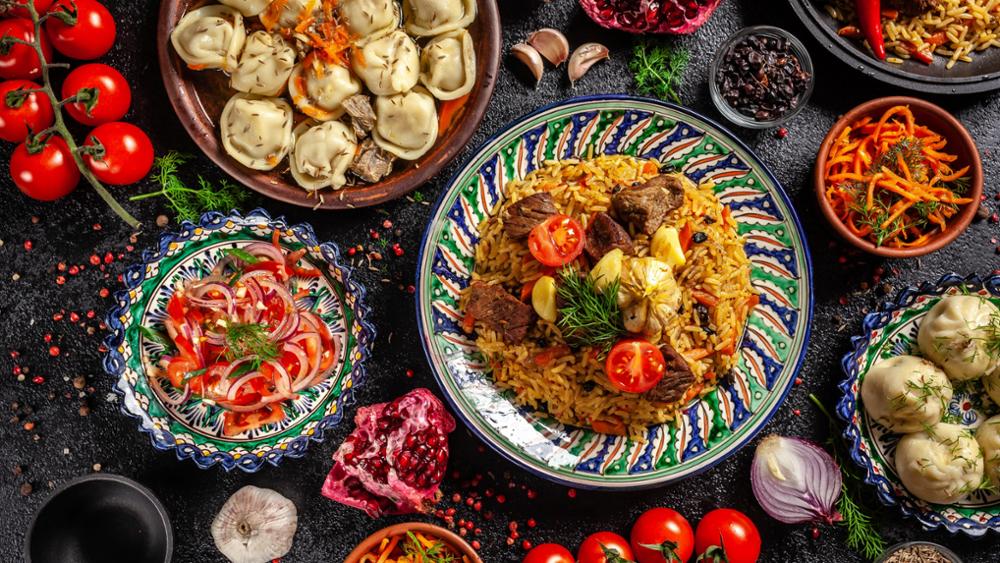
Uzbek Plov
It is the traditional dish you absolutely must taste during a stay in Uzbekistan: plov. Now spread throughout Central Asia, it originated in Uzbekistan. A rice-based dish with carrots, onions and meat, it is very rich (and delicious). It is served especially at major celebrations and to welcome guests. In fact, each region, and even each family, has its own plov recipe—so you'll want to try several!
It is no accident that plov appears at every wedding in Uzbekistan. Indeed, a legend makes the dish a remedy for a broken heart. It tells of a prince who fell in love with a young girl from a poor family. He then fell ill, depressed at the thought he could not marry her. His father called upon a healer, Abu Ali Ibn Sino, who immediately understood that the prince's problem stemmed from this impossible love. He proposed two solutions to cure him: accept the marriage, or have him eat plov, for which he gave the recipe.
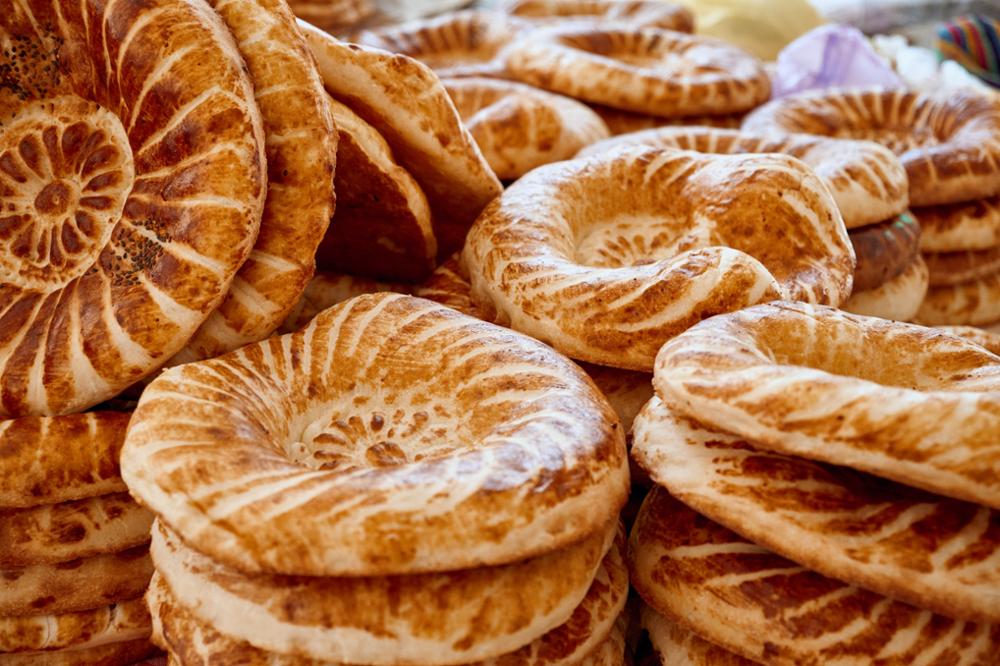
Samarkand Bread
Another essential of the Uzbek table, Samarkand bread. For centuries now, it has built its reputation across the country and even in the world. Samarkand bread has the particular quality of remaining tender for a very long time.
Once, the Khan (or king) had bread brought from Samarkand to his residence in Bukhara. One day he decided to have the bread made locally. He brought to Bukhara the best baker from Samarkand, but the bread he made did not have the same taste. So he had all the ingredients from Samarkand brought in, including the oven. The baker set to work again, but once more his bread was not the Samarkand delicacy. The baker then said it must surely be the air of Samarkand that gave the bread its unequaled taste; and since the air could not be transported to Bukhara, the Khan sent the man back to Samarkand and continued to import his bread from the legendary city. To this day, this tradition continues: you will see many Uzbeks traveling to Samarkand to get their bread. Locals even say that the bread can keep for three years!
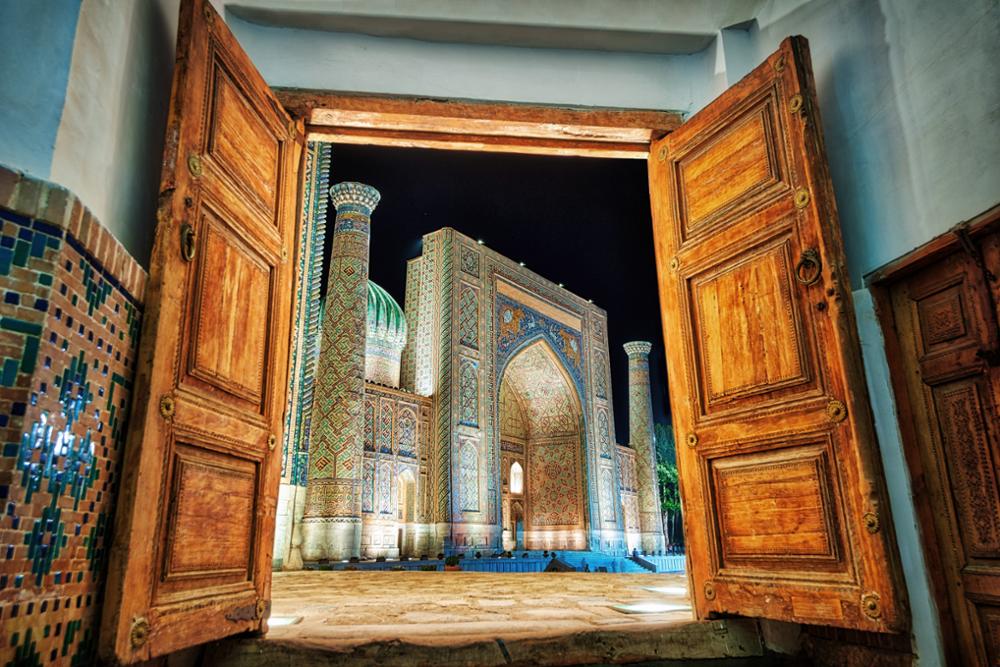
The City of Samarkand
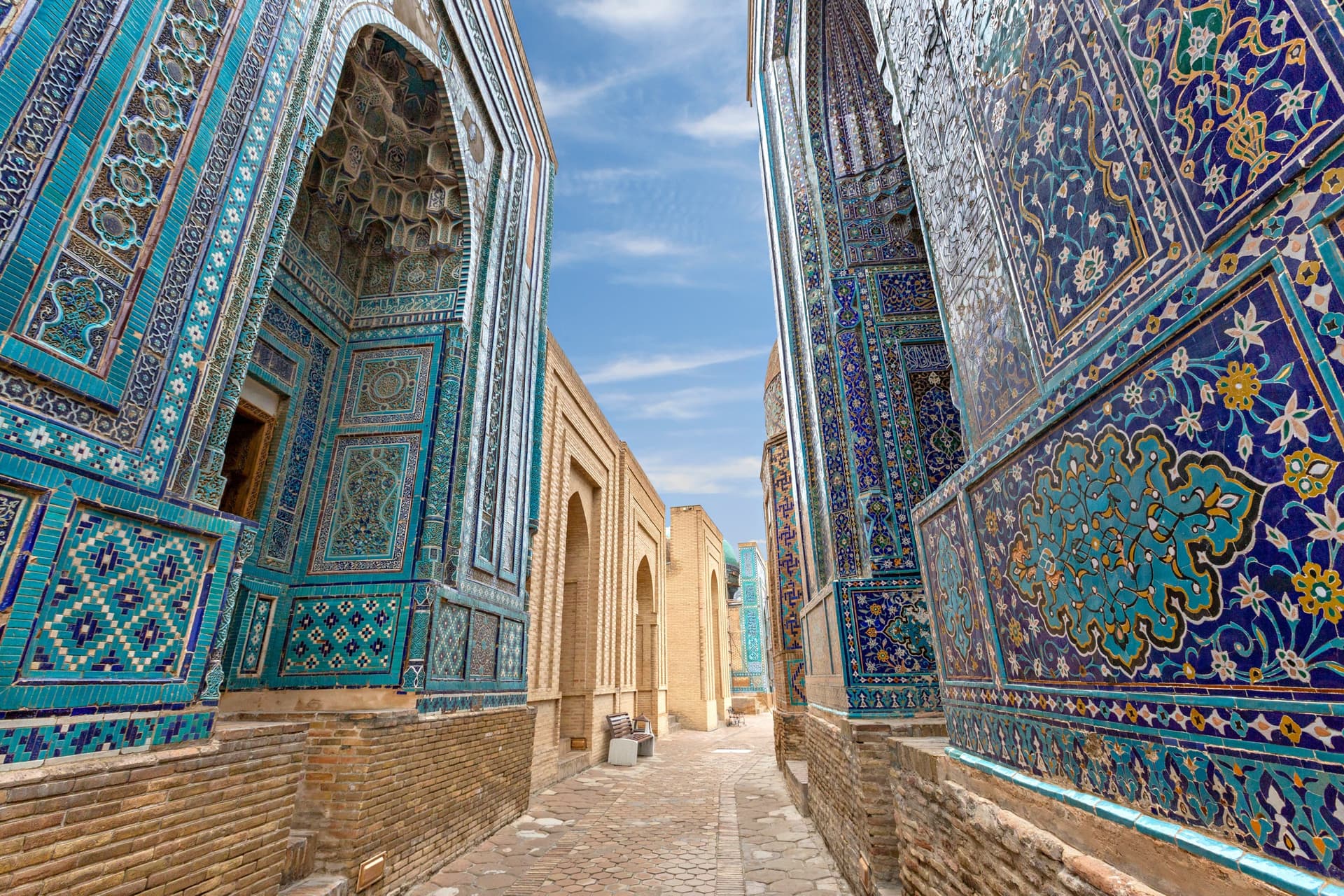
Built under the order of Alexander the Great, the ancient city of Samarkand is fascinating and absolutely must be on your list of places to visit during your vacation in Uzbekistan. Its name also intrigues many historians, who have proposed several legends to explain its origin. One says it was named in honor of an lover of Alexander the Great, Samar. Another says that a man, Samar, dug a well at this place, and people began to settle here as a result—so Samarkand would translate as "Samar dug".
Furthermore, you will see throughout the city images, statues and other objects depicting the snow leopard. A legend tells that a snow leopard descended into the newly built city, danced all about town approving one building after another, before departing back to the mountains.
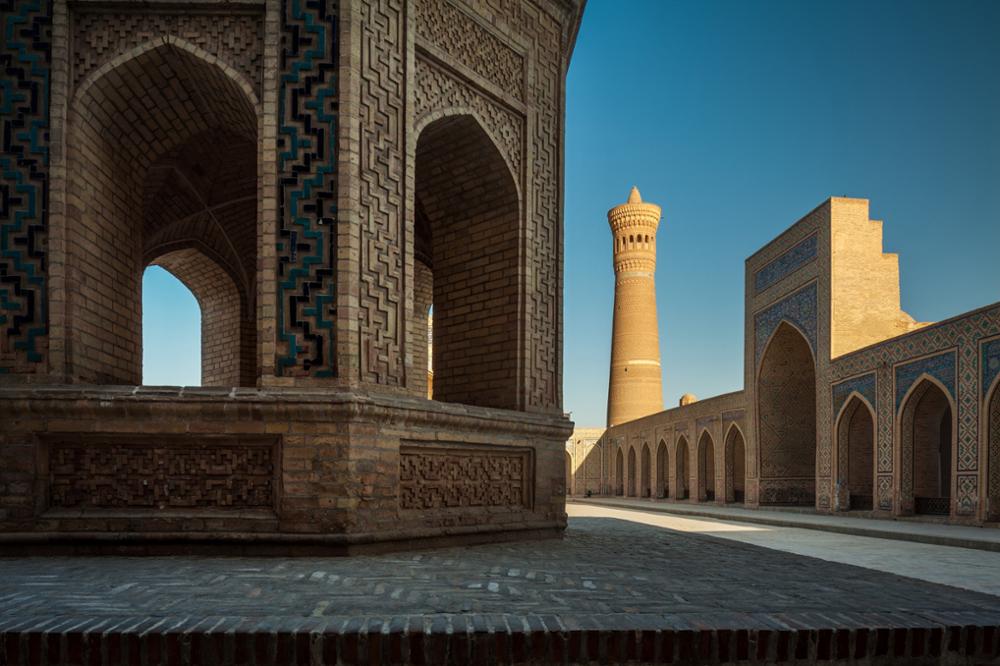
The Kalon Minaret
An absolute must-see of the city of Bukhara, the Kalon Minaret is a site you absolutely must visit. Standing 48 meters tall, the minaret, whose name translates as "the great tower," is also known as the "tower of death": during the Middle Ages, criminals were thrown from the top of the tower to be executed.
A beautiful legend tells of a cruel king's wife who secretly helped her people. When the king learned what his wife was doing, he was furious and decided to execute her. She asked him to grant her last wish: to wear all her dresses on the day of her execution. The next day, she climbed the steps and quietly threw herself from the top of the tower, before many citizens who had come to pay her respects. During the fall, her dresses opened like parachutes and the woman landed without any injury. Her cunning even earned her her husband's forgiveness...
Frequently asked questions
One of the most well-known legends is the one explaining the origin of plov, the Uzbek national dish. It tells of a prince heartsick and ill who was cured thanks to this recipe prepared by physician Abu Ali Ibn Sino (Avicenna). Since then, plov has been served at every wedding in Uzbekistan.
Samarkand bread is famous for its exceptional tenderness and long shelf life (up to three years according to locals). Legend has it that its unique taste comes from 'the air of Samarkand', impossible to replicate anywhere else. Even Khans had it imported from this legendary city.
Several legends explain the origin of the name 'Samarkand'. One says it was named in honor of Samar, a lover of Alexander the Great. Another tells of a man named Samar who dug a well there, attracting the first inhabitants, and that 'Samarkand' would thus mean 'Samar dug'.
The Kalon Minaret is one of the most emblematic monuments of Bukhara, in Uzbekistan. Standing 48 meters tall, its name means 'the great tower'. Nicknamed the 'tower of death' in the Middle Ages because criminals were executed by being thrown from the top, it is today an essential site to visit.
The founding legend of the Uzbek people tells that God, after distributing lands to all nations, granted to the Uzbek, as a reward for his generosity and humility, a territory he had reserved for himself: a 'paradise on earth' situated between two rivers at the heart of the world. This territory is present-day Uzbekistan.