Complete Guide to Uzbekistan
Uzbekistan is crossed along the ancient Silk Road, between four caravan cities that have preserved their architectural coherence: Khiva behind its Itchan Kala ramparts, Bukhara and its 140 listed monuments, Samarkand and its Registan square, Shakhrisabz, the birthplace of Timur. Our team based in Tashkent organizes circuits that connect these stops by fast Afrosiyob train (2h20 between Tashkent and Samarkand) or by road, passing through less frequently visited stages.
Beyond the cities, the country lends itself to contrasting experiences. The Kyzylkum desert covers nearly half the territory and can be discovered from the yurts of Yangikazgan or the shores of the Aral Sea, whose disappearance remains a textbook ecological case study. In the southeast, the Fergana Valley concentrates living craftsmanship: silk in Margilan, ceramics in Rishtan, knives in Chust. In the west, the Ustyurt Plateau offers mineral landscapes seldom visited, accessible from Nukus and its Savitsky Museum, the world's second collection of Russian avant-garde.
The country is best explored comfortably from April to June and September to October, avoiding the summer heat that exceeds 40°C in the desert. Plan 10 to 12 days for the four main cities, 15 days to add Fergana or the Aral, and three weeks to combine both ends of the country.
The regions of Uzbekistan
Each region has its own personality: climate, landscapes, pace of life and ways of traveling. Our local team helps you choose the combination that suits you.
Samarkand and Chakhrisabz
Samarkand lines the Registan square with three madrasas from the 15th to 17th centuries, covered in turquoise mosaics. The Shahi-Zinda necropolis, more intimate, is best visited early in the morning for the light. Two hours' drive south, Shakhrisabz, the birthplace of Tamerlane, preserves the monumental ruins of the Ak-Saray palace. The region sits at 700 meters altitude, which tempers the summers. Our travelers often spend two to three nights here, combining the great Timurid monuments with Konigil's silk paper workshops and Siab bazaar.
Bukhara
Explore Bukhara on foot, from the Lyabi-Hauz basin to the Ark fortress, passing by the Kalon minaret, standing 47 meters high and spared by Genghis Khan in 1220. The old city boasts 140 protected monuments within a one-square-kilometer perimeter, making it Central Asia's best-preserved urban ensemble. Former caravanserais have been converted into carpet, miniature, and suzani embroidery workshops. Plan for a minimum of two nights, ideally three to venture to the Sitorai Mokhi Khosa summer palace and the village of Ghijduvan, renowned for its ceramics.
Khiva
Khiva is the westernmost of the Silk Road cities, enclosed within the walls of Itchan Kala which form an open-air museum. The Kalta Minor minaret, unfinished and entirely tiled, dominates a maze of madrasas, harems and tombs spanning 26 hectares. The city can be visited in a full day, but spending a night there allows you to enjoy the site once the tour groups have left. Access is from Urgench, either by domestic flight from Tashkent (1h30) or by the overnight Charq train from Bukhara. Summer is very hot, with temperatures exceeding 42°C in July.
Fergana Valley
East of Tashkent, the Fergana Valley stretches across 22,000 km² between the Tian Shan and Alai mountain ranges. It is the country's most populated and most fertile region, long overlooked by tourism. Margilan is home to the Yodgorlik silk factory, where you can follow every step of ikat khan-atlas weaving. Rishtan is the historic center of blue ceramics, Chust that of pchak knives. Crossing the Kamchik Pass at 2,268 meters marks the entrance to the valley. Allow three days to explore it from Tashkent.
Kyzylkoum Desert and Aral Sea
The Kyzylkoum, the red sands, covers 300,000 km² between the Amou-Daria and Syr-Daria rivers. You'll stay in a yurt camp near Lake Aydarkoul, 280 km north of Samarkand, after a stop at the Nourata fortress. Further northwest, from Nukus, capital of Karakalpakstan, you can reach Moynaq, a former fishing port stranded in the sand, and the ship graveyard symbolizing the drying up of the Aral Sea. The journey to the current shoreline takes two days by 4x4. This region is best visited in spring and autumn.
Tashkent
Tashkent, capital city of 2.9 million inhabitants, is often rushed through, wrongly so. The city blends an old core around the Khast Imam complex, where the 7th-century Quran of Uthman is preserved, and massive Soviet architecture rebuilt after the 1966 earthquake. The metro, opened in 1977, features stations decorated with mosaics and chandeliers, long forbidden from photography. The Chorsu Bazaar, beneath its blue dome, offers a tangible glimpse of daily life. A day and a half is sufficient, at the beginning or end of your itinerary, depending on your flights.
Explore by theme
Unique experiences tailored to every traveler.
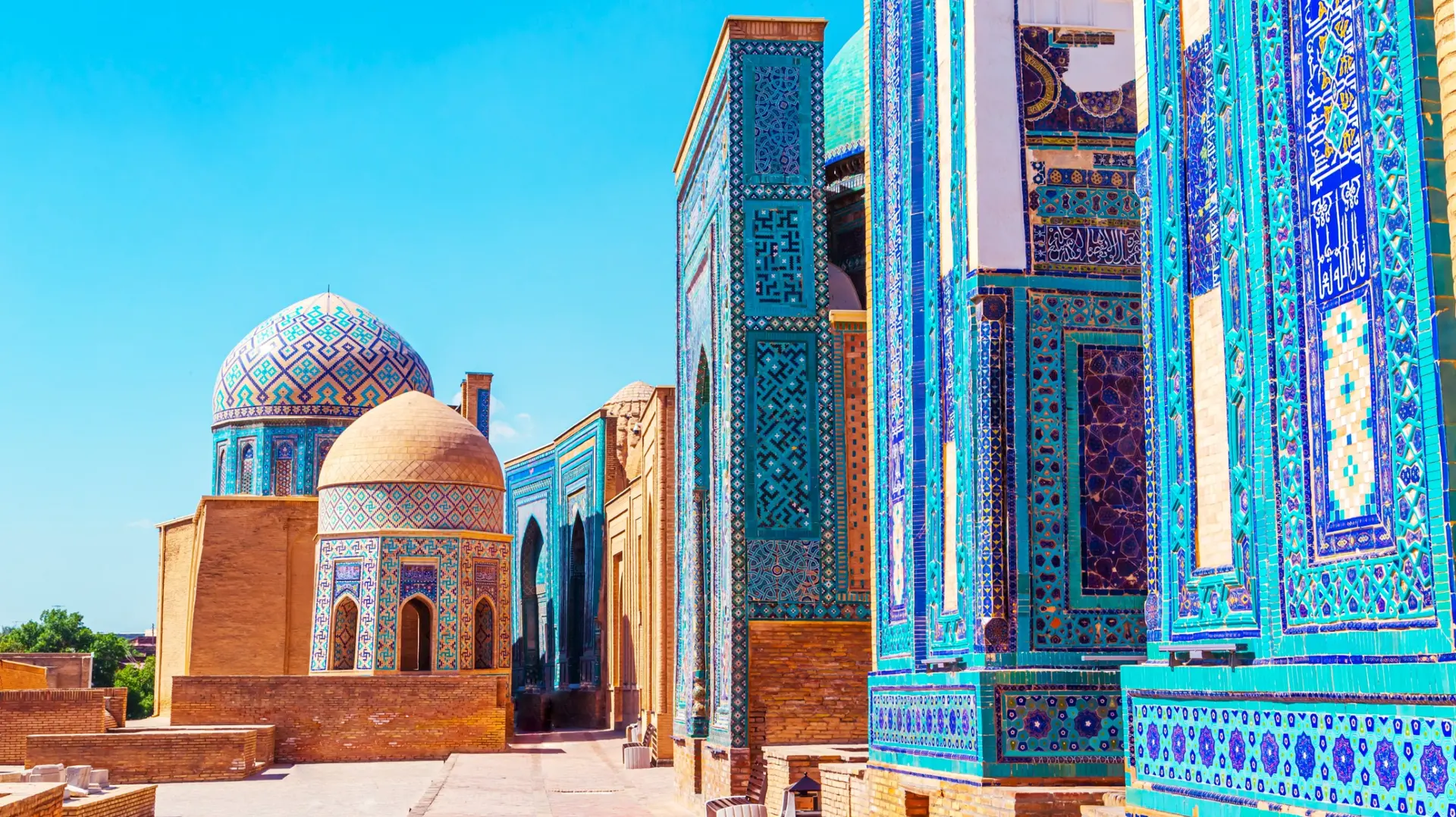
Culture & Heritage
Temples, musées, sites historiques
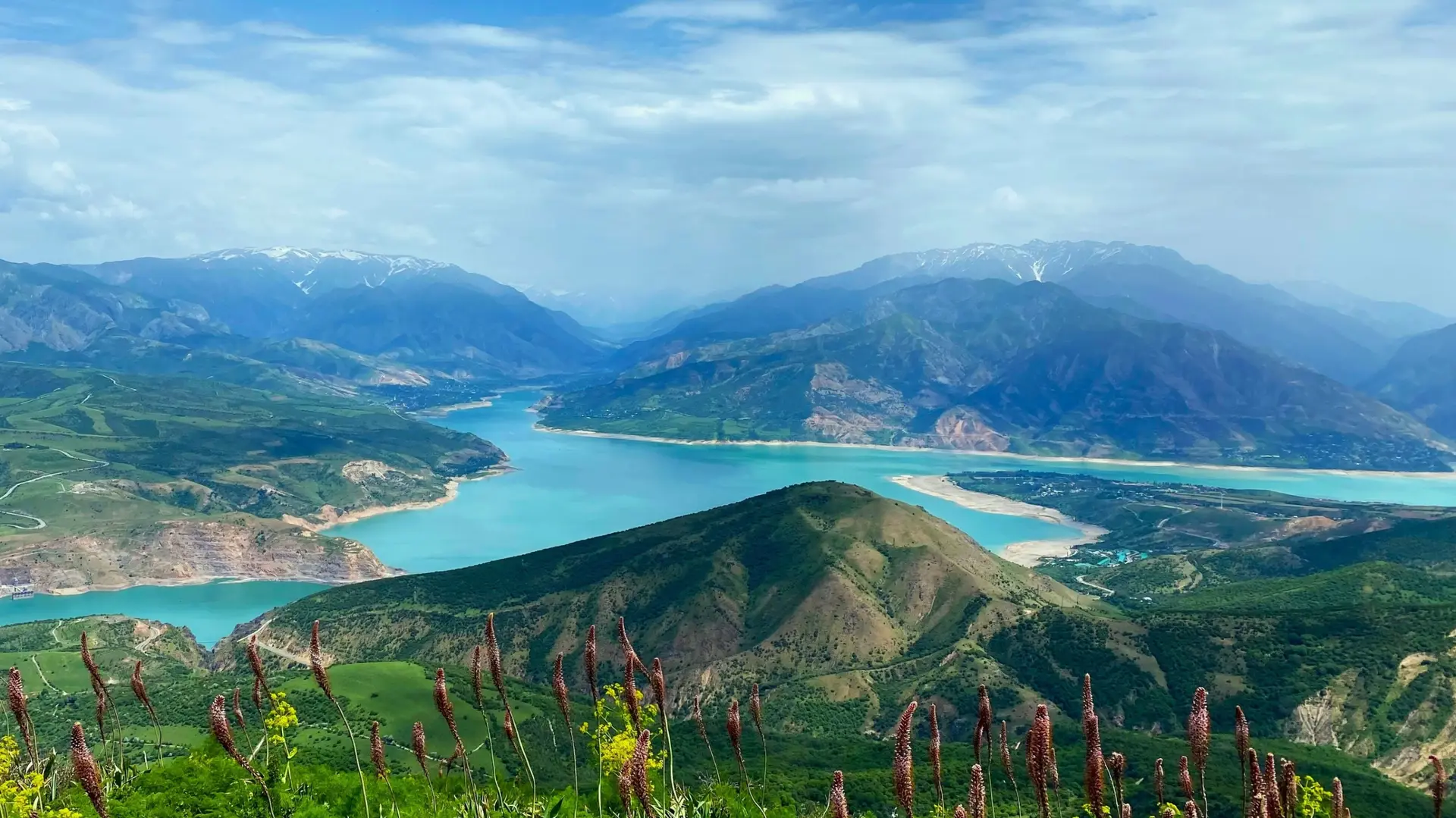
Nature & Landscapes
Parcs nationaux, montagnes, forêts
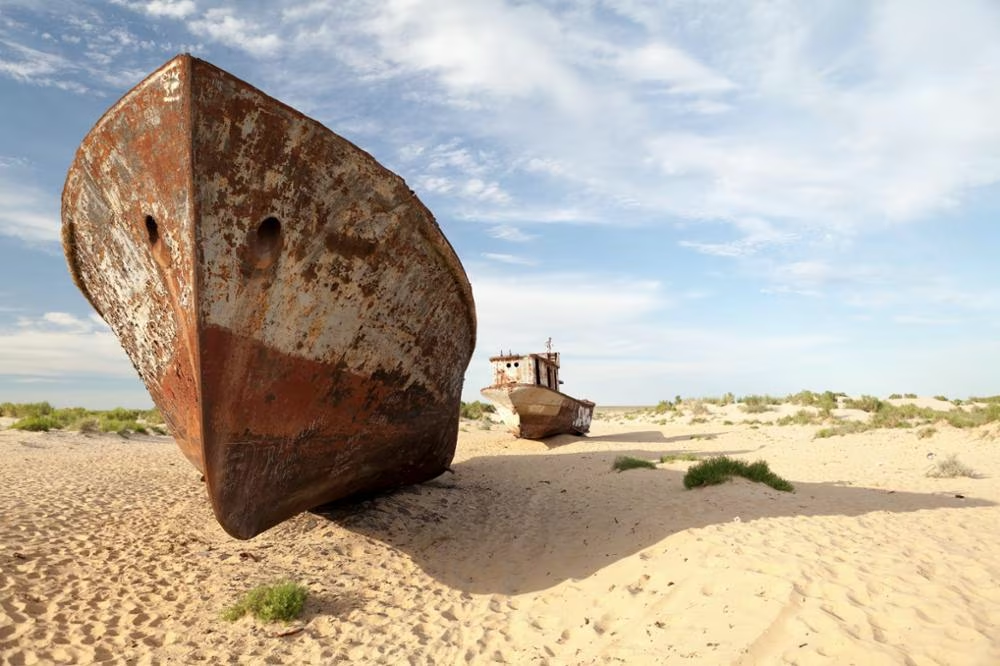
Sea & Beaches
Littoral, îles, sports nautiques
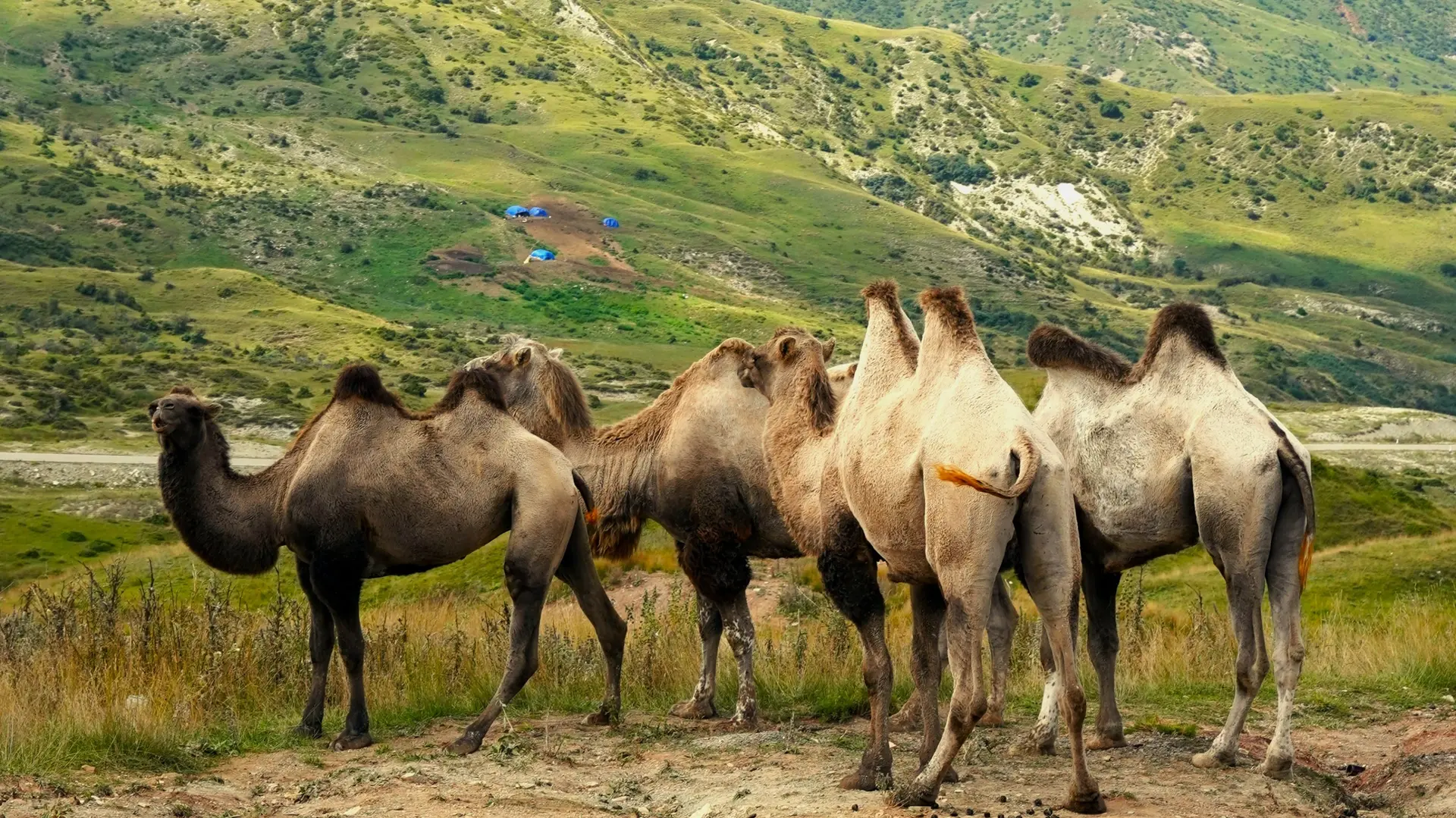
Wildlife & Biodiversity
Observation animale, sanctuaires, réserves
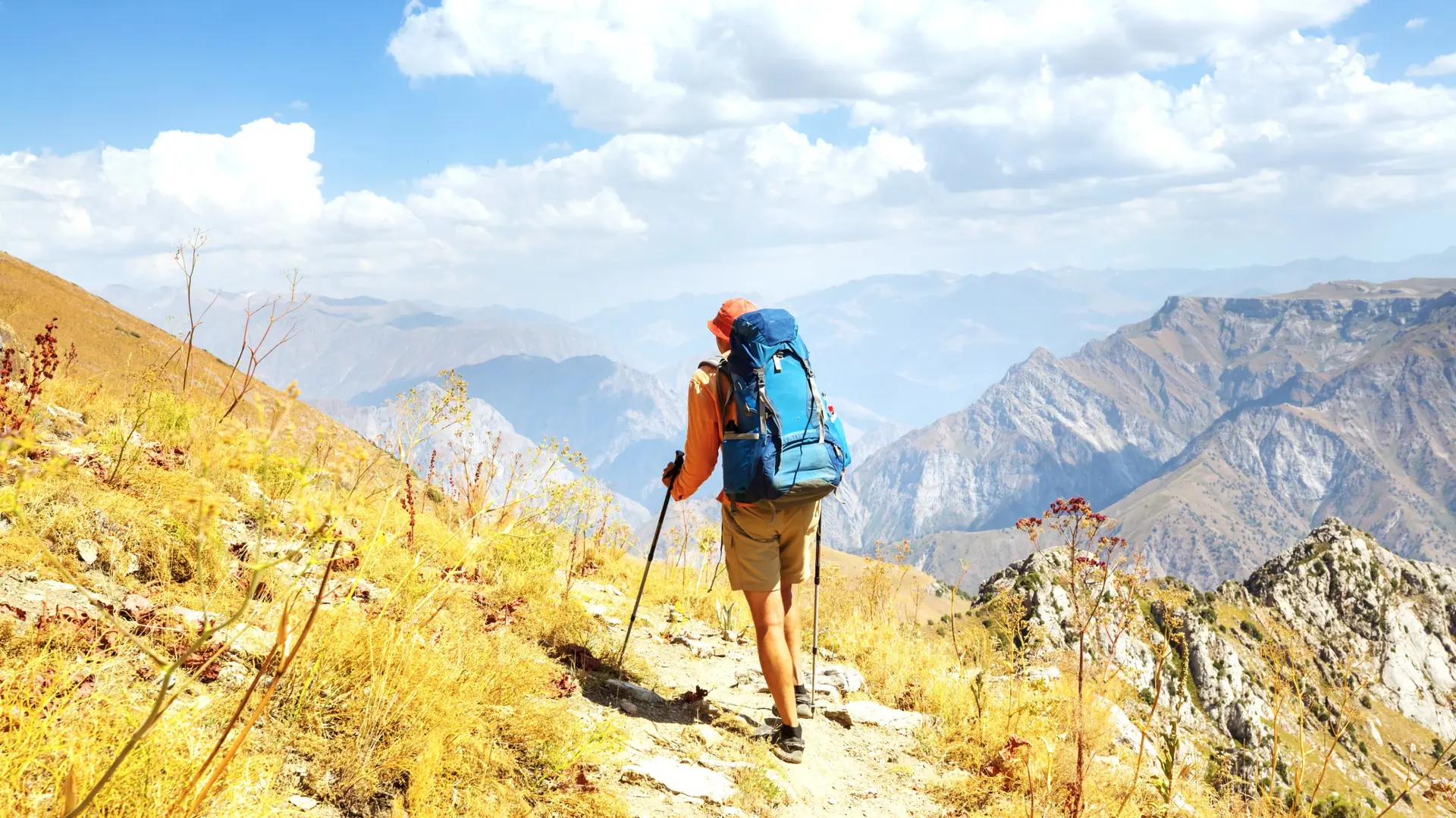
Activities & Adventure
Trek, kayak, escalade, sports outdoor

Gastronomy
Cuisine locale, marchés, cours de cuisine
We use cookies to improve your experience and measure our site's audience. You can choose what you accept. Learn more.