Chorsu Bazar
Chorsu Bazar
Tashkent's oldest market, Chorsu Bazar shelters under its blue dome spices, meats, breads, crafts and traditional Uzbek specialties.
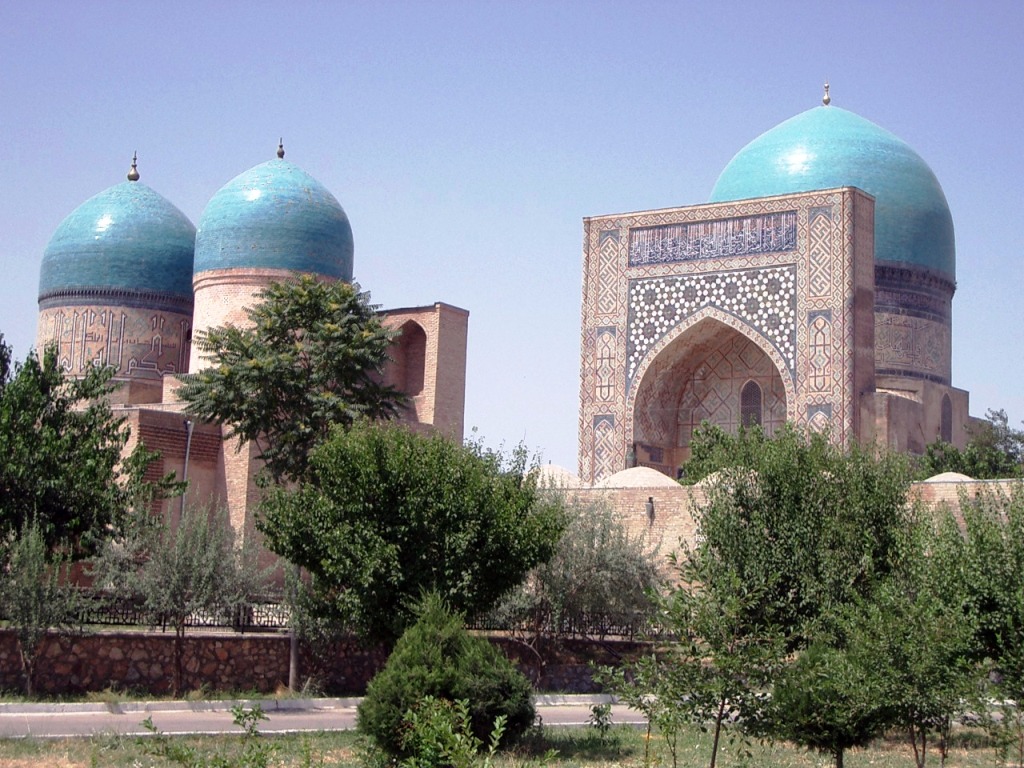
The Chorsu Bazar, also known as Eski-Juva, is Tashkent's oldest market. Housed in the old city under a grand turquoise dome, it brings together fresh produce, spices, crafts and traditional Uzbek dishes organized by pavilions.
Why visit Chorsu Bazar
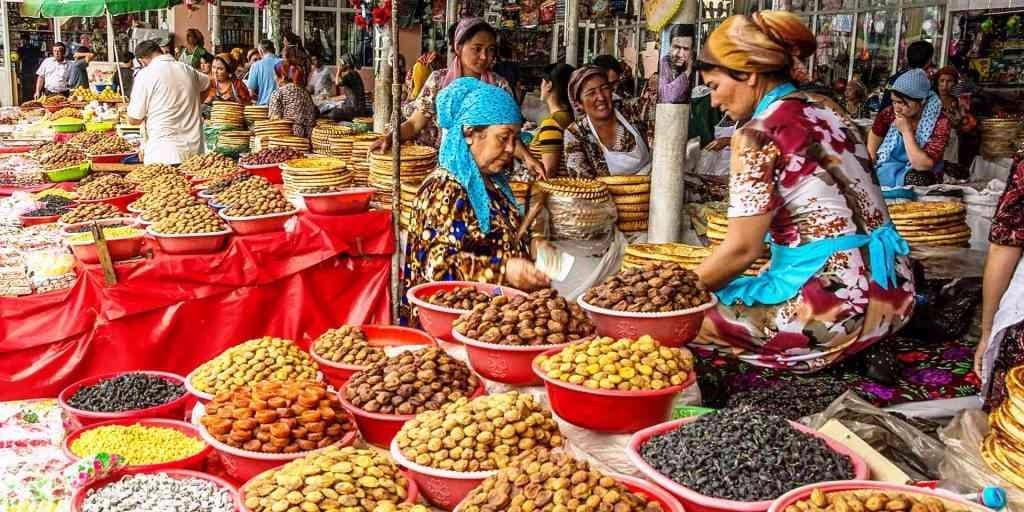
Chorsu remains Tashkent's central market of reference for locals. Unlike modern shopping galleries, it still showcases traditional Uzbek commerce: butcher stalls, mountains of spices, pyramids of dried fruits and wood-fired breads. The site combines architectural interest — the blue dome has become a visual landmark of the neighborhood — and immersion in daily life. For travelers, it's an opportunity to identify local ingredients, taste street specialties and take home some artisanal objects.
Market History
The name Chorsu comes from Persian and means "four roads," referring to the commercial crossroads the site formed. In the Middle Ages, Silk Road travelers stopped at Eski-Juva to trade their goods and exchange with Central Asian caravans. The bazaar thus has centuries of continuous use, even though the current building — with its large central dome and adjoining smaller domes — dates from the Soviet period and was designed to shelter merchants from summer heat and dust.
What to see and do
The central dome
The main building is recognizable by its blue cupola, surrounded by interconnected small domes. Inside, the ceiling is decorated with honeycomb patterns and the tilework plays with blue and green tones. The temperature is noticeably cooler here than outside, making visits pleasant even in summer.
- Ground floor: prepared salads, dairy products and butchers offering beef, lamb, horse and chicken. This is where you'll find kazy, a large sausage made from horse meat, emblematic of Uzbek cuisine.
- Upper level: nuts, sweets, dried fruits, saffron, turmeric and other spices sold in bulk. The circular balcony offers a sweeping view over the entire hall.
The fruit, vegetable and bread pavilion
Around the dome, outdoor stalls display seasonal fruits and vegetables, legumes, rice and pasta. Bakers sell traditional Uzbek bread: rounded flatbreads, decorated with stamped patterns, flattened in the center and baked in wood-fired earthen ovens.
The crafts pavilion
A section is dedicated to clothing, shoes and everyday objects. Travelers mainly find:
- khalats (traditional robes) and embroidered skullcaps (doppi);
- decorated ceramics and pottery;
- tapestries, suzanis and small wood or metal objects;
- jewelry and hand-painted figurines.
The dining area
On the market's periphery, canteens and stalls offer Uzbek cuisine's greatest hits:
- Pilaf (och): national dish of rice, mutton, carrot and spices.
- Shashlyk: meat skewers grilled on metal rods.
- Hasib: soup based on lamb sausage.
- Norin: noodles mixed with onions, cheese and minced horse meat.
Practical Information
- Visit duration: allow 1 to 2 hours to tour the pavilions, longer if you eat on-site.
- Hours: the market is active daily in the morning and early afternoon; activity peaks in the morning, and weekends draw the largest crowds.
- Payment: bring cash in som and small bills; few stalls accept cards.
- Bargaining: acceptable for crafts and souvenirs, rarer for food sold by weight.
- Photography: permitted overall, but ask before photographing a vendor up close.
- Food hygiene: prefer stands where food is cooked or grilled in front of you, especially for meat.
When to visit Chorsu
The bazaar operates year-round, but the experience varies by season. Spring (April-May) and autumn (September-October) are the most pleasant periods: mild temperatures and an abundance of fresh fruits and vegetables — cherries, apricots, melons, pomegranates depending on the time. Summer is very hot in Tashkent, but inside the dome remains relatively cool. In winter, offerings focus on dried fruits, nuts, spices and preserved goods. Prefer mornings to enjoy the cool and widest product selection.
How to get there
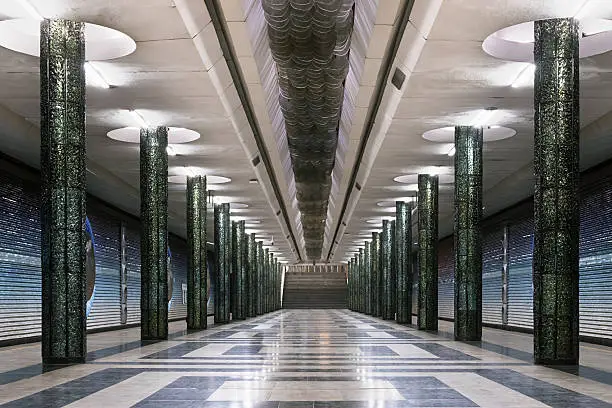
The easiest way is Tashkent's metro: the Chorsu station, on the Uzbekistan line, drops visitors just steps from the market. The bazaar is also accessible by bus from downtown, or by taxi (local apps like Yandex Go work in Tashkent and avoid price negotiations).
Nearby attractions
- The Kukeldash madrasa, a 16th-century Quranic school, is a short walk away and complements a visit to the historic quarter well.
- The Juma Mosque (Khoja Akhrar Vali) is located in the same old town area.
- To extend your capital exploration, consult our Tashkent guide.
- Travelers interested in Timurid heritage can continue to the Gour Emir mausoleum in Samarkand.
Frequently Asked Questions
Frequently asked questions
Yes, the market operates daily, mainly in the morning and early afternoon. Crowds are larger on weekends.
Bargaining is common for crafts, souvenirs and traditional clothing. For food sold by weight, prices are fairly fixed.
The most typical purchases are embroidered skullcaps (doppi), khalats, Rishtan ceramics, spices (saffron, turmeric, paprika), dried fruits and tea packets.
The fastest way is the metro, Chorsu station. Buses and taxis (notably via local apps) also serve the site from all city neighborhoods.
One to two hours is enough to tour the main pavilions. Allow more time if you wish to dine on-site or explore the surrounding historic quarter.
Include Chorsu in your trip
Chorsu Bazar integrates naturally into a capital stay, complementing Samarkand and Bukhara's Timurid sites. To build a custom itinerary blending Silk Road cities and traditional markets, consult our Uzbekistan travel ideas.
Interested in this visit?
We can include it in your personalised itinerary.